
Conditions we treat
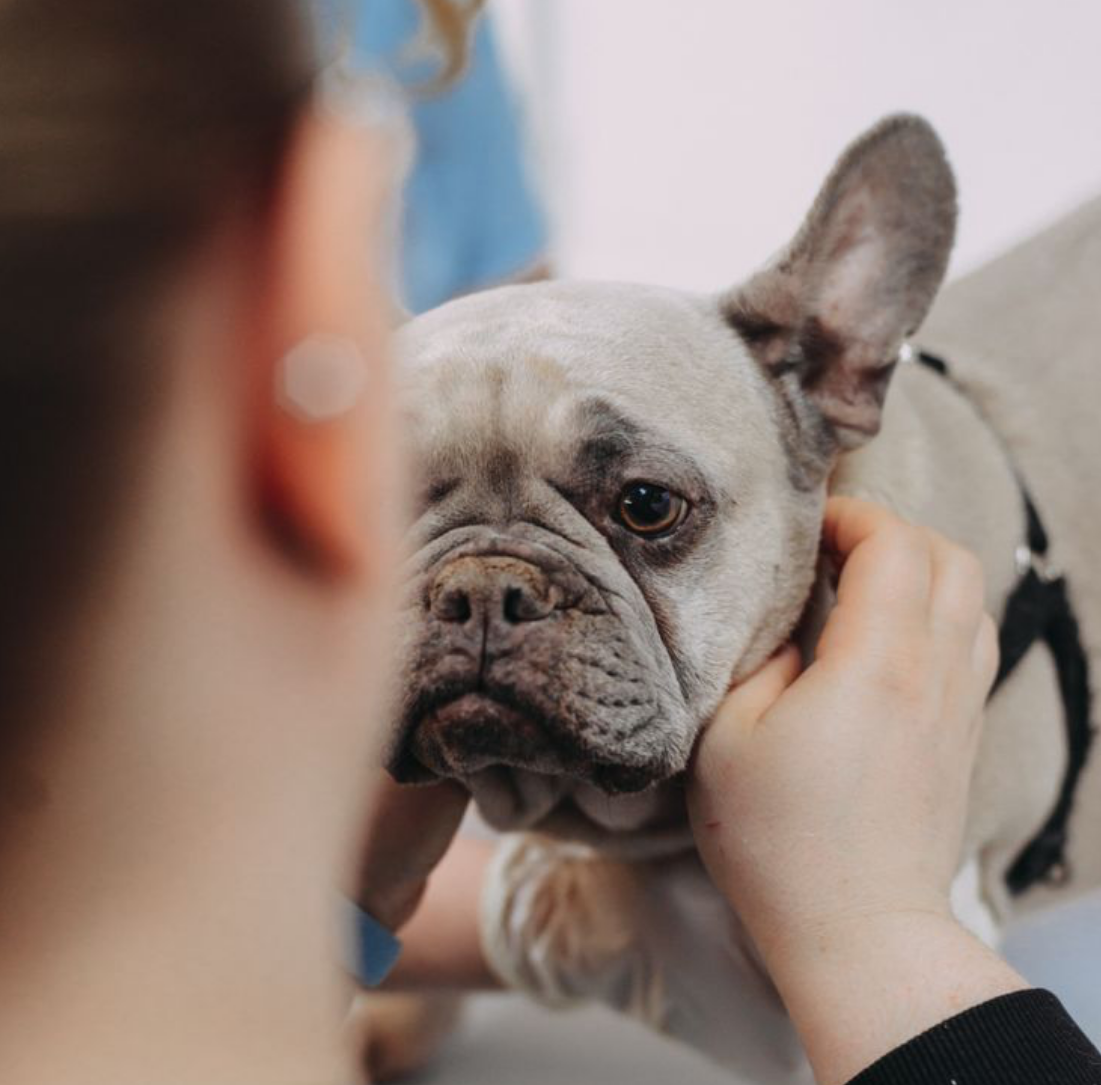
We diagnose and treat a wide range of veterinary eye conditions, from common problems to complex diseases. Learn more about the conditions we treat below.-
WHAT ARE CATARACTS?
A cataract is a clouding of the eye's natural lens and one of the leading causes of vision loss in dogs. While cataracts often begin with mild vision changes, they can progress to significant vision impairment or blindness if left untreated.
Common causes include genetics, diabetes, age-related changes, trauma, and inflammation within the eye.
HOW WE CAN HELP
Our team performs a comprehensive ophthalmic evaluation to determine the cause and severity of your pet's cataracts. For pets that may benefit from surgery, we perform advanced pre-operative testing—including an electroretinogram (ERG), ocular ultrasound, and bloodwork—to determine whether cataract surgery is the right option for restoring vision.
-
WHAT IS A CORNEAL ULCER?
A corneal ulcer is a wound on the clear surface of the eye that can range from mild irritation to a vision-threatening emergency. Because ulcers vary significantly in depth and severity, prompt evaluation is essential.
HOW WE CAN HELP
During your pet's examination, we'll determine the depth of the ulcer, look for signs of infection, identify the underlying cause, and recommend the most appropriate treatment.
Some ulcers heal with medication alone, while others may benefit from an in-office diamond burr procedure or advanced corneal grafting surgery to preserve vision and restore comfort.
-
WHAT IS DRY EYE?
Dry eye occurs when the eye doesn't produce enough healthy tears to keep the surface lubricated. It's especially common in dogs and is often mistaken for conjunctivitis or an eye infection.
Symptoms may include redness, squinting, thick discharge, and chronic irritation. Left untreated, dry eye can lead to scarring and permanent vision loss.
HOW WE CAN HELP
We diagnose dry eye through specialized tear testing and develop a treatment plan tailored to your pet. With ongoing management, many pets experience improved comfort, healthier tear production, and better long-term eye health.
-
WHAT IS GLAUCOMA?
Glaucoma is a painful condition caused by increased pressure within the eye. Elevated pressure damages the retina and optic nerve and can lead to permanent blindness in a matter of hours or days if left untreated.
HOW WE CAN HELP
Early diagnosis is critical. We provide both medical and surgical treatment options, along with long-term monitoring, to manage pressure, relieve pain, and preserve vision whenever possible. Every treatment plan is tailored to your pet's condition and your family's needs.
-
WHAT IS FELINE HERPES?
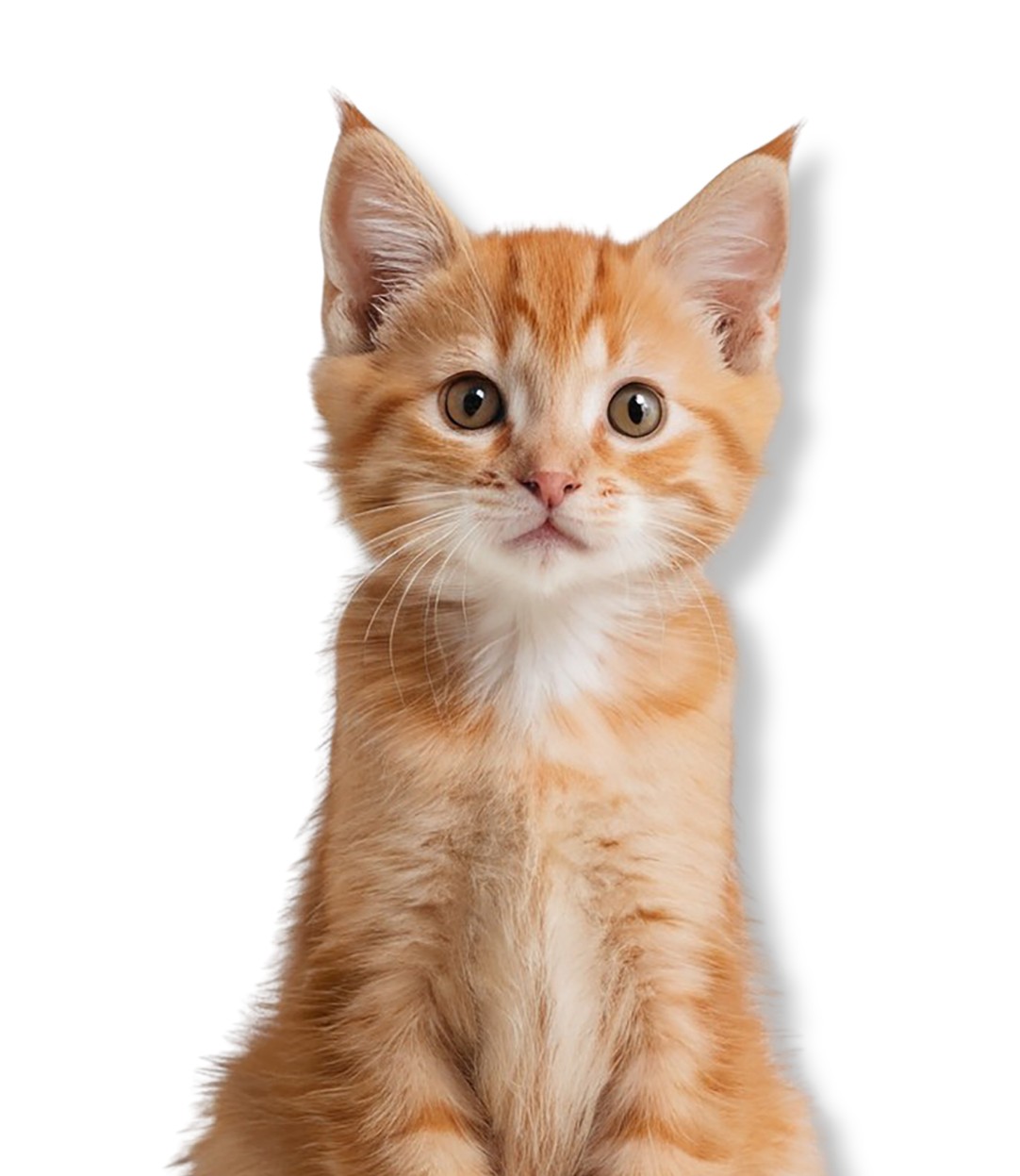
Feline herpesvirus is extremely common in cats and can cause recurring eye problems throughout life, including conjunctivitis, corneal ulcers, abnormal tear production, corneal sequestra, and scarring.
HOW WE CAN HELP
Because flare-ups can vary over time, we create individualized treatment plans designed to manage active symptoms while helping reduce future episodes and protect long-term eye health.
-
EYELID CONDITIONS
Abnormal eyelid position or misplaced eyelashes can constantly rub against the eye, causing irritation, pain, and corneal ulcers.
Eyelid growths are also common, especially in older pets. While most are benign, they can still cause discomfort by rubbing against the eye.
HOW WE CAN HELP
We offer corrective eyelid procedures to restore normal eyelid function and remove irritating eyelashes. For many eyelid masses, we perform minimally invasive cryotherapy, allowing for quick recovery with minimal sedation and, in many cases, avoiding general anesthesia.
-
We diagnose and treat a wide variety of eye diseases affecting both dogs and cats, including:
Uveitis
Cherry Eye
Lens Luxation
Retinal Detachment
Sudden Vision Loss (SARDS)
Ocular Tumors
Inflammatory and Autoimmune Diseases
Infectious Eye Diseases
And many more
If you've noticed redness, squinting, cloudiness, discharge, vision changes, or anything else that doesn't seem normal, we're here to help determine the cause and recommend the best next steps.
Not sure what’s affecting your pet’s eyes?
If you've noticed redness, squinting, cloudiness, discharge, vision changes, or anything else that doesn't seem normal, we're here to help determine the cause and recommend the best next steps — no referral needed!